
Why Mexico?
One country restricted this field. The other built a profession around it.
This is the question worth answering directly, because most people assume the answer is cost, or looser rules, or something being avoided. It is none of these.
First and foremost, yes, we are a US-based company.
The science itself is global. The United States funds more regenerative medicine research than any country on earth, and much of the foundational work in this field came out of American universities. What differs is not the science. It is whether a physician is permitted to practice it.
The United States and Mexico made opposite decisions about that question. One placed these protocols outside ordinary clinical practice. The other built training, professional bodies, and a licensing framework around them. Here is how that plays out in practice.

Where physicians are trained for it
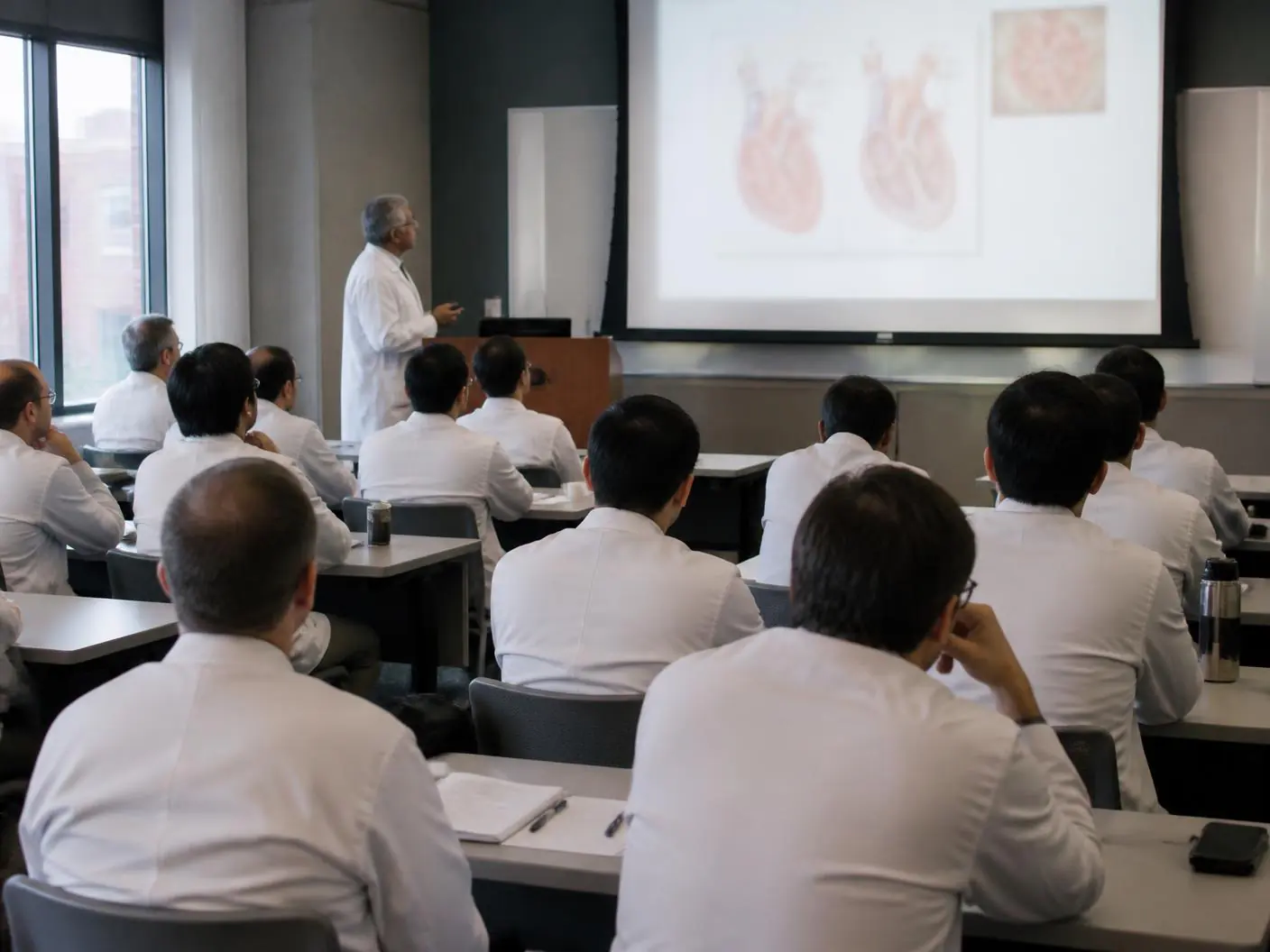
In Mexico: Regenerative medicine has formal postgraduate education behind it. Universidad Anáhuac Mayab offers a diplomado in regenerative medicine through its School of Medicine. A four-semester master's program runs in Monterrey. Other programs carry registration from state education authorities and recognition from Mexico's federal education ministry. A physician who wants to practice this work has a structured path to learn it.
In the United States: There are world-class research programs at institutions like Mayo Clinic and Wake Forest. What does not exist is a recognized clinical specialty. There is no board certification pathway in regenerative medicine, because the clinical practice itself sits largely outside approved use. A physician drawn to this work has research to join, but no specialty to enter.
Where the professional conversation happens
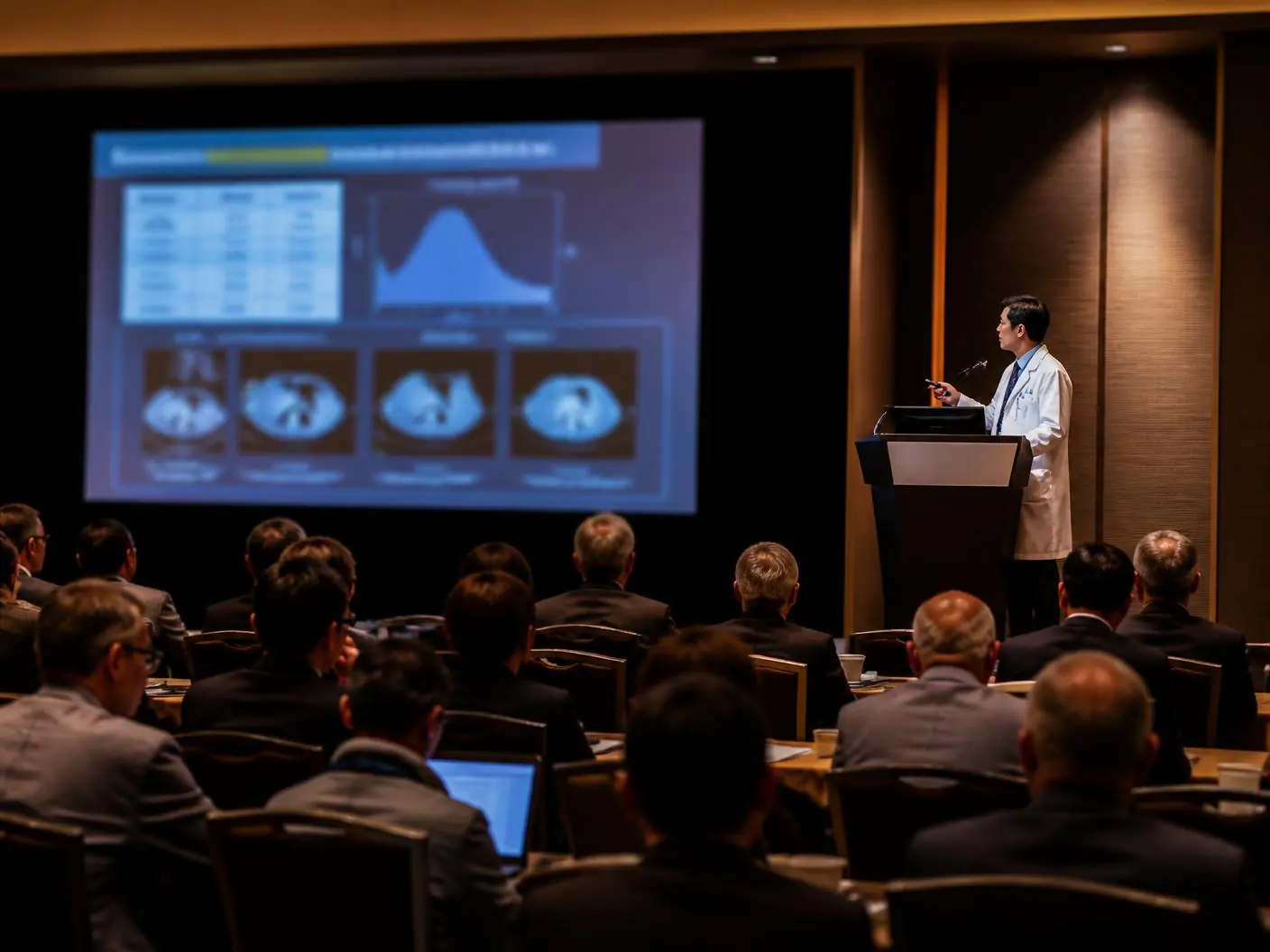
In Mexico: There is a Sociedad Mexicana de Medicina Regenerativa, a Colegio Mexicano de Células Madre y Medicina Regenerativa, a Consejo de Células Troncales y de Investigación, and a Sociedad Mexicana de Ingeniería de Tejidos. The Sociedad Mexicana de Terapia Celular holds an annual national congress where physicians present protocols, case series, handling standards, and complications to their peers.
In the United States: The professional conversation is real but oriented around research and trials. Physicians practicing these protocols outside a trial are not presenting cases to a peer body. They are operating under enforcement scrutiny. Open peer review of clinical practice is difficult when the practice itself is restricted.

The legal status of the practice
In Mexico: COFEPRIS built a licensing framework covering the facility, the supplying laboratory, the treating physician, and even how the services may be advertised. Four separate, independently verifiable authorizations. The work is licensed and inspected rather than pushed to the margins.
In the United States: The FDA regulates most expanded and culture-processed cell products as biologic drugs, which confines them largely to approved clinical trials. The FTC governs how any of it may be described. Both rules exist for defensible reasons and we are not arguing against them. But the combined effect is that these protocols cannot lawfully be administered here outside a trial, regardless of how a clinic markets itself.


Oversight of the facilities and laboratories
In Mexico: A medical office without a regenerative medicine license cannot infuse stem cells, because COFEPRIS has not verified that it holds the proper equipment, the proper medical education, and the means to treat a complication. Approval takes months. The license names one facility, at one address, under one name. Inspectors return afterward to verify recordkeeping, documentation, compliance, and maintenance. The laboratories that process biologics are licensed separately.
In the United States: Oversight runs through the product rather than the practice. A facility can be FDA-registered, which is administrative paperwork, without any product having been reviewed for safety or efficacy. Clinics operating outside the trial pathway have faced warning letters, enforcement actions, and federal court rulings upholding the FDA's authority to shut them down.
How a patient actually gets access
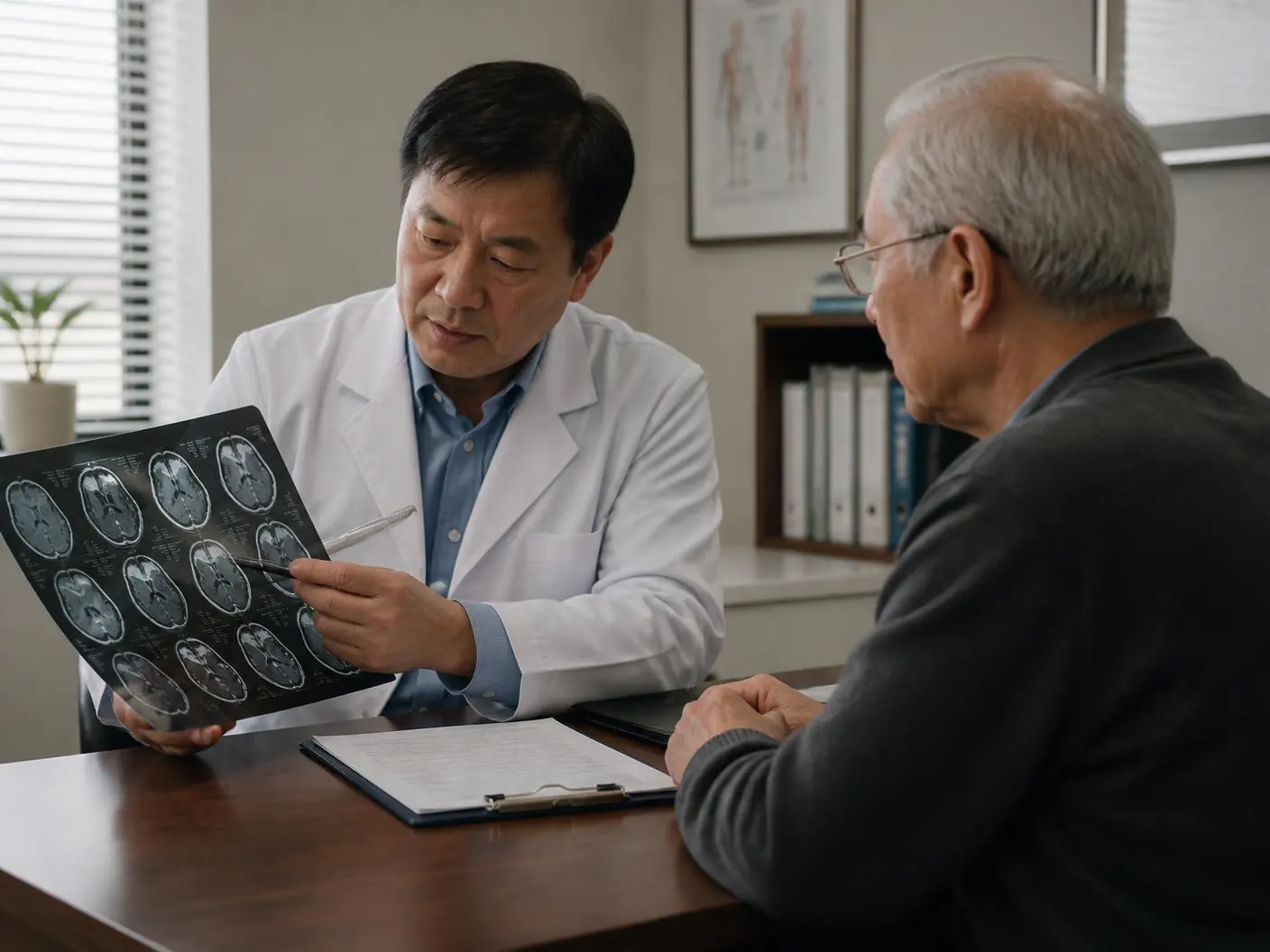
In Mexico: A licensed physician evaluates your case and determines, within that licensing framework, whether a protocol is clinically appropriate for you. Your candidacy is a medical judgment about your situation — your history, your imaging, your bloodwork, your goals.
In the United States: Access runs primarily through clinical trial enrollment. Trials exist to answer a research question, not to treat the person in front of the physician, so eligibility is set by narrow protocol criteria: a specific diagnosis, a specific disease stage, a specific age range, specific prior treatments, often a specific geography. Most people who want these protocols do not meet them, and the ones who do may be randomized into a control group. The remaining option is a provider operating outside the approved pathway, which carries the enforcement risk described above.
What this does not mean
A more developed field is not a promise of a result. Nothing here says these procedures treat, cure, or reverse any condition, and nothing here means a protocol will work for you. It means the training, the professional oversight, and the licensing behind the facility are real, documented, and verifiable.
And it does not mean every clinic in Mexico meets that standard. A peer-reviewed analysis of 76 stem cell clinics in Tijuana found 13 claiming COFEPRIS licensing on their websites. Six matched the government registry by name or address. One matched both precisely. A license number is public and not confidential, so any clinic unwilling to publish it is telling you something. That finding is the reason your case is reviewed before a facility is on the table, and the reason we document the source, the handling, and the verified cell count for what is administered to you. If your case is not a fit, the answer is still no.
Free consultation with a care consultant, many of our care consultants are registered nurses. No sales reps. No receptionist.

What we commit to, and what it costs you.
Because the protocols our clinical partners use fall under the restrictions described above, your procedure takes place abroad, under the regulatory authority of the country where the licensed facility operates. That is a jurisdictional difference, not a shortcut, and we will not describe it as anything else. Here is what it means in practice.
How we describe things
The FTC governs how health claims are advertised in the United States. Every claim has to be truthful and substantiated.
We take that seriously in the direction most companies do not. We do not tell you a procedure treats, cures, or reverses a condition. We do not publish outcome percentages we cannot support. We do not promise you will qualify.
What we will tell you is what is documented — the source of the biologics, how they were handled, the verified cell count, and why a specific protocol was proposed for your case. When something is unknown, we say it is unknown.
Your information
Because your case crosses a border, so does your file. Your history, imaging, and bloodwork are shared with a clinical partner only with your written authorization, only for the review that partner is performing, and only to the extent needed to conduct it.
Nothing is sold. Nothing is passed to a third party for marketing. You can ask at any point who has seen your file.
What it costs
Because your procedure happens abroad, it is paid out of pocket. Insurance is not accepted under any circumstances.
You will know the full cost before you commit to anything. There is no coordination fee layered on top of the procedure, and no invoice that appears after you have already said yes.
None of this is contingent on you moving forward. The review happens first, and it happens honestly. If your case is not a fit for either location, the answer is no, and that answer is free.
Free consultation with a care consultant, many of our care consultants are registered nurses. No sales reps. No receptionist.
Your consultant will tell you which location applies and why.
Travel coordination, timing, accommodation guidance, and what to expect on procedure day are all handled once your case has been reviewed. Nothing is booked before that review happens.
Free consultation with a care consultant, many of our care consultants are registered nurses. No sales reps. No receptionist.