
Operating Room Procedure
This covers your time in a fully equipped operating room and the clinical team around you on your administration days. It is the controlled setting where your selected biologics are administered under physician oversight, and it is priced to reflect what a true operating environment requires.
It is a line on your program because it is a real cost with a real reason, and we would rather explain it than bury it.
Free consultation with a care consultant, many of our care consultants are registered nurses. No sales reps. No receptionist.
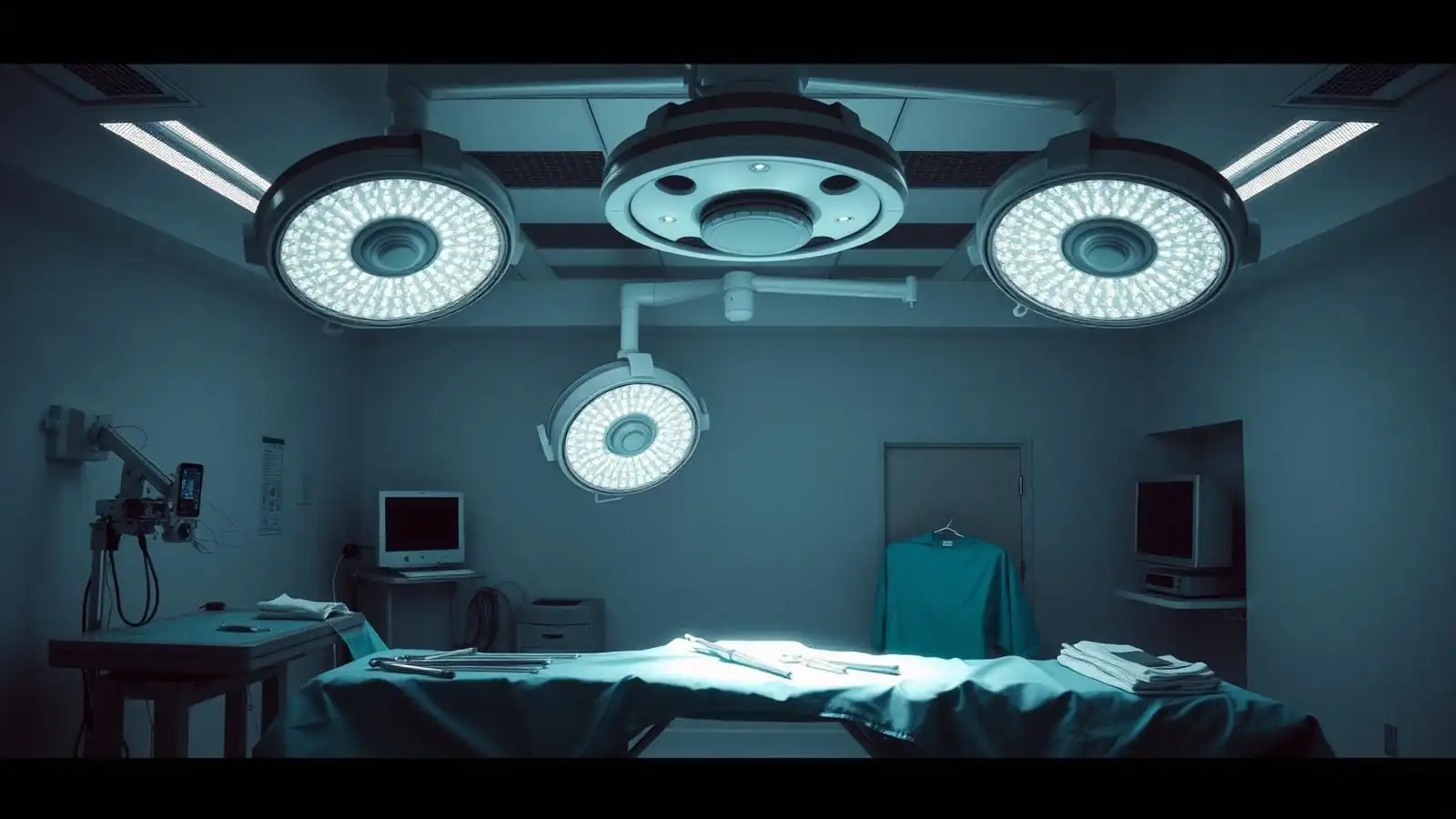
What separates an operating room from a treatment room
Many regenerative procedures are performed in a clinical room. That is a different environment from an operating room, and the difference is not cosmetic.
A true operating room maintains controlled air handling, restricted access, defined sterile fields, instrument sterilization protocols, and staffing dedicated to maintaining those conditions throughout a procedure. Surfaces, airflow, traffic, and workflow are all designed around preventing contamination.
A treatment room maintains clean technique. That is appropriate for many procedures. It is not the same standard, and for certain administrations the difference matters.
Free consultation with a care consultant, many of our care consultants are registered nurses. No sales reps. No receptionist.
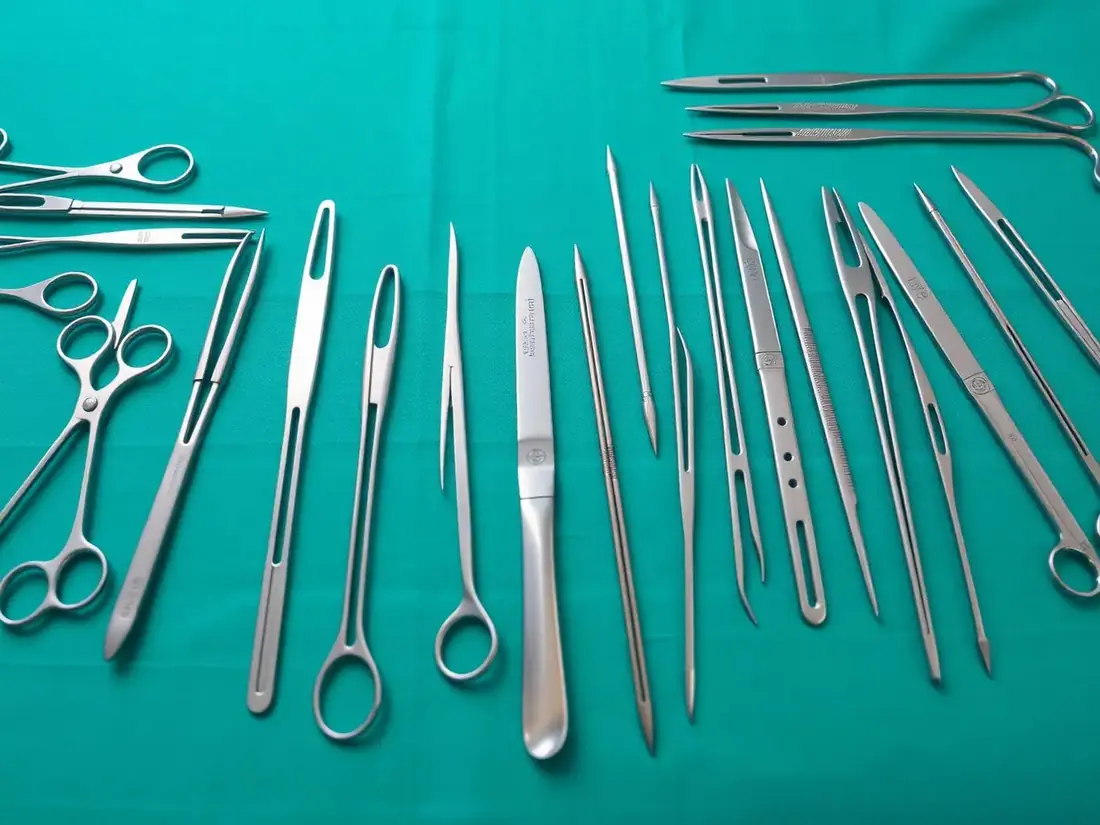
What is included
- Operating room time and the operating room staff who support it.
- A completely sterile environment, maintained to surgical standard, for the full duration of your administration.
- And a dedicated anesthesiologist whose focus is keeping you safe throughout, rather than a proceduralist dividing attention between the procedure and your physiological status.
Free consultation with a care consultant, many of our care consultants are registered nurses. No sales reps. No receptionist.
Why the anesthesiologist is separate
This is worth stating plainly because it is a real distinction between providers.
When sedation is administered, someone must monitor airway, breathing, circulation, and depth of sedation continuously, and be prepared to intervene. If that person is also performing the procedure, their attention is divided at exactly the moment when it should not be.
A dedicated anesthesia professional has one job. That is a staffing decision with a cost attached, and it is one of the more meaningful safety differences between a procedure performed in a real operating environment and one performed elsewhere.
Free consultation with a care consultant, many of our care consultants are registered nurses. No sales reps. No receptionist.
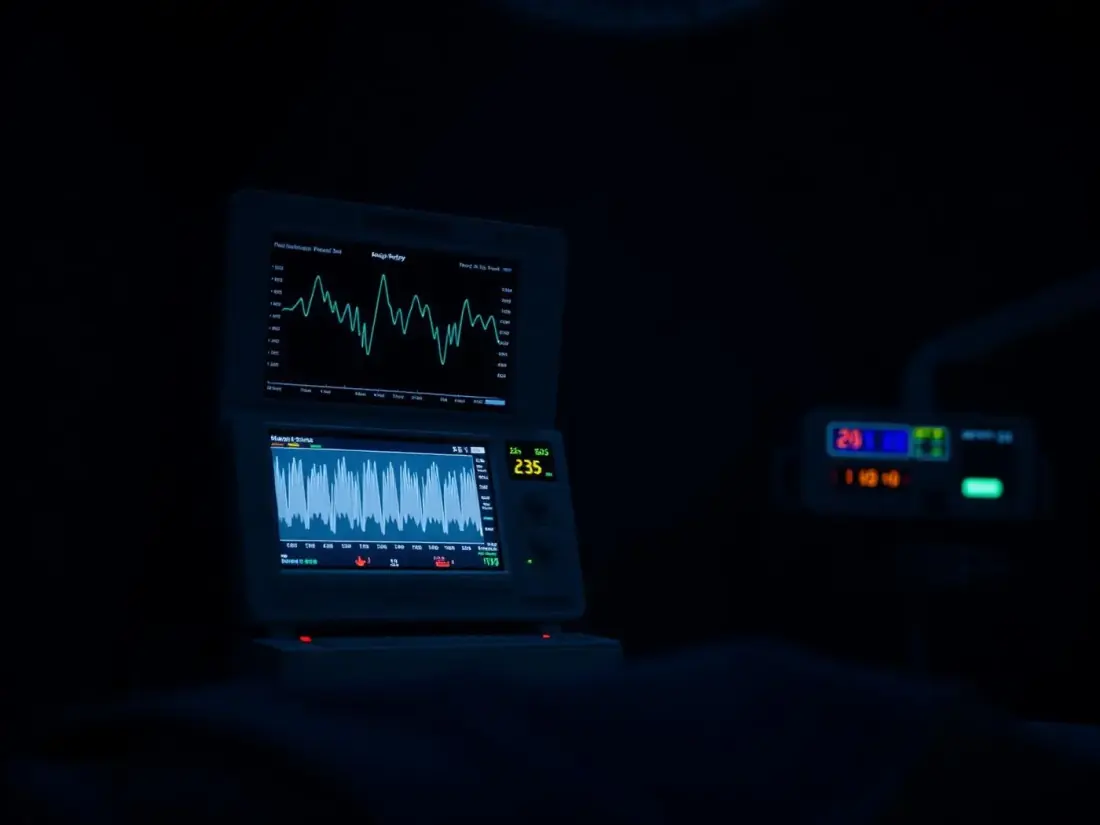
Why higher-risk sites require this
Certain administrations carry higher risk by their nature, and the site is what determines it.
Injections near the spine, into the hip, or into other deep or delicate structures sit close to nerves, vessels, and joint spaces where infection or misplacement carries serious consequence. These call for a controlled sterile setting, precise technique, and an anesthesia professional managing your comfort and safety while it is done.
This is the difference between an administration performed in a clinical room and one performed in a real operating environment with the staff and standards that higher-risk sites demand.
The cost reflects that standard. It is not a markup.
Free consultation with a care consultant, many of our care consultants are registered nurses. No sales reps. No receptionist.
How your information travels with you
Your biomarkers, your imaging, and your physician notes travel through Aurenza's coordinated clinical network, so the team administering your protocol works from your full case rather than a summary.
This matters more than it might appear. A procedure performed by a team working from a one-page handoff is a different procedure from one performed by a team who can see your baseline, your history, your medication list, and the reasoning behind the protocol selection.
The biologics used are selected for you, and the delivery route is chosen to fit the site being addressed. Continuity of information is treated as a clinical principle, not a service feature.
Free consultation with a care consultant, many of our care consultants are registered nurses. No sales reps. No receptionist.
What to expect on the day
You are prepared, positioned, and monitored throughout by clinical staff. The anesthesiologist reviews your history and your medications with you beforehand and manages sedation during the procedure.
Your physician confirms what is being administered, at what dose, and by which route before anything begins. Recovery and post-procedure monitoring follow before you are discharged from the facility.
Your care consultant walks you through the specific sequence for your location and your protocol in advance, so nothing about the day is a surprise.
Free consultation with a care consultant, many of our care consultants are registered nurses. No sales reps. No receptionist.
There are no guarantees in stem cell therapy.
What this setting is built to protect is your safety during administration and the precision of how the biologic is delivered. Those are process commitments, not outcome commitments, and no procedural standard changes whether a given approach will work for you. Every procedure carries risk, and the risks specific to your case are reviewed with you by your treating physician before anything proceeds.
Free consultation with a care consultant, many of our care consultants are registered nurses. No sales reps. No receptionist.