
Living Complex Conditions

The Reality of Living With a Condition

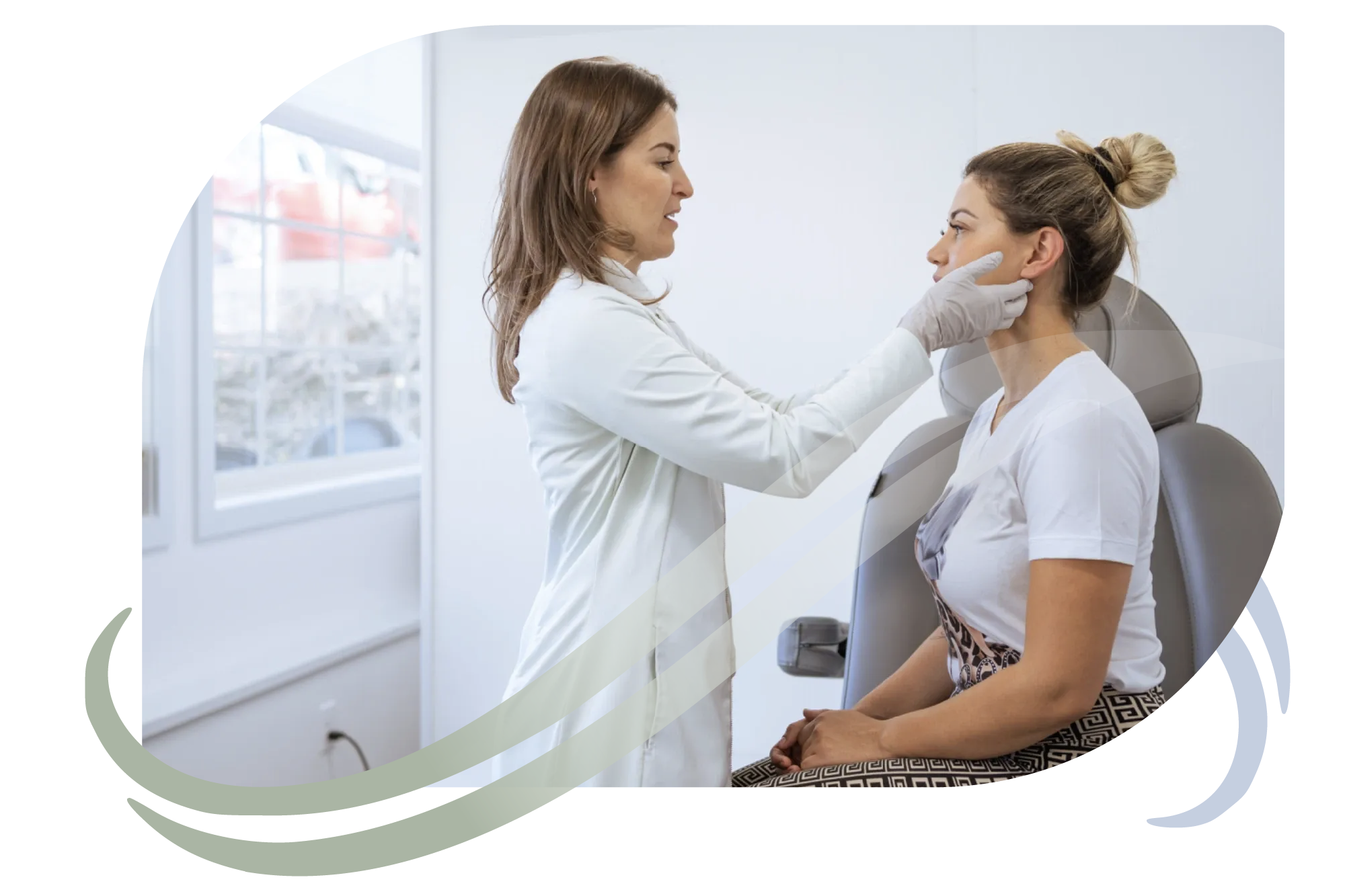
Living with a complex condition rarely feels contained to a diagnosis alone. It affects how you think, move, plan your day, and how confident you are about what comes next. Over time, it is often not just the symptoms that become difficult. It is the inconsistency, the conflicting direction, and the feeling that you are expected to keep navigating forward without a clear understanding of why things are changing.

Many individuals eventually reach a point where they are not simply looking for another treatment recommendation. They are looking for clearer answers, better visibility into their condition, and a more structured understanding of what may still be possible.

Dealing with Setbacks or Uncertainty?

When Progress Feels Unclear

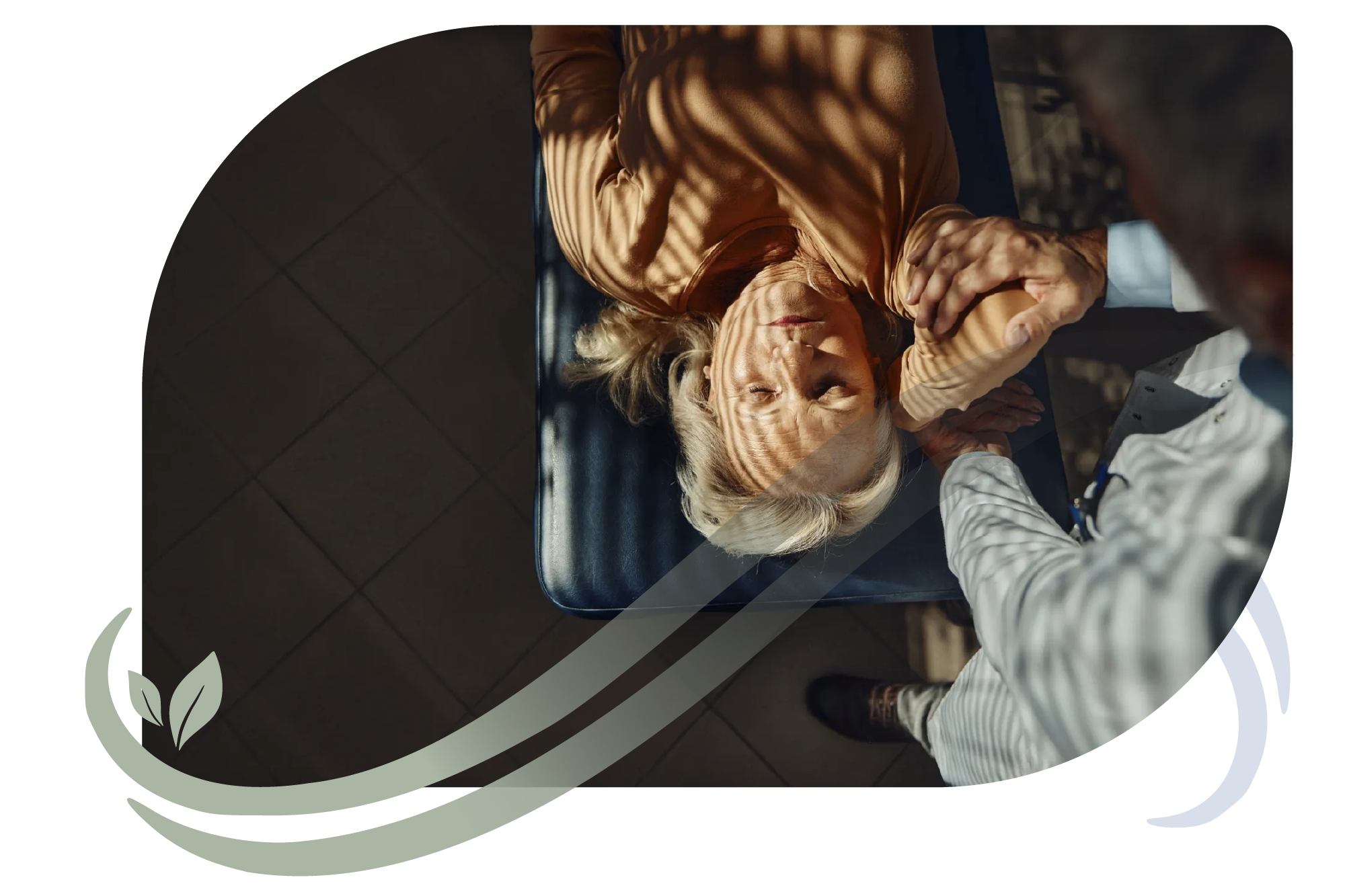
You may have already pursued multiple options, received different opinions, and experienced periods of improvement followed by setbacks or uncertainty. That pattern creates fatigue, not only physically, but mentally. Over time, the challenge becomes larger than the condition itself. It becomes the lack of continuity, explanation, and long-term direction.

What many individuals are ultimately searching for is not only symptom management but also a clearer picture of what is happening inside their bodies, what factors may be influencing progression or recovery, and what path forward is realistically available to them.

Evaluated beyond surface-level symptoms

A More Complete Clinical Perspective

Aurenza approaches each condition through the lens of Restorative & Regenerative Medicine, considering underlying function, inflammation, neurological signaling, recovery capacity, biomarker patterns, and the body’s ability to adapt and repair over time. The focus extends beyond surface-level symptoms alone.

This includes evaluating where advanced regenerative therapies, including stem cell-based interventions and MUSE cell protocols, may be clinically appropriate within a broader treatment strategy. Each case is reviewed within the context of your full clinical picture rather than isolated findings or single-point interventions.

Advanced Regenerative Therapies

The Role of Regenerative Therapies

Regenerative therapies are integrated into a structured clinical program designed around visibility, long-term monitoring, and informed decision-making. The goal is not simply to administer stem cell therapy, but to help you understand what is being targeted, why a specific biologic or protocol has been selected, and what response patterns are being monitored over time.

At Aurenza, stem cell therapy is part of a broader system that may include biomarker review, diagnostics, peptides, supportive therapies, and structured follow-up. The focus is on creating a more informed and measurable path forward, in which clinical decisions are guided by ongoing evaluation rather than assumptions alone.

— what we do —

Conditions We Commonly Support

The conditions below represent areas where individuals often seek a more structured and informed clinical perspective after conventional approaches have felt limited, fragmented, or inconsistent. Within Restorative & Regenerative Medicine, these conditions are evaluated with consideration for function, recovery potential, symptom progression, and long-term quality of life.

Each condition presents differently, but all require thoughtful evaluation, clear communication, and a clinical approach that considers the individual as a whole rather than reducing the experience to a diagnosis alone.

Alzheimer’s & Cognitive Decline

hanges in memory, clarity, and cognitive function often begin subtly, but over time, they can reshape how you experience daily life. What starts as occasional forgetfulness may gradually affect communication, routines, processing speed, and overall confidence in navigating familiar situations.

For many individuals and families, the challenge extends beyond cognition itself. The concern becomes preserving independence, continuity, and meaningful connection over time. Questions around progression, quality of life, and what interventions may still be possible often become central to the experience.

Chronic Back Pain
Chronic Back Pain

Persistent back pain rarely remains isolated to physical discomfort alone. Over time, it changes how you sit, stand, move, rest, and approach routine activities throughout the day. Movements that once felt automatic often require adjustment, caution, or avoidance altogether.

As the condition continues, many individuals reach a point where temporary relief no longer feels sufficient. The challenge becomes restoring function, stability, and confidence in movement while understanding what factors may be contributing to ongoing pain and limitation over time.

COPD & Emphysema
COPD & Emphysema

Reduced respiratory function changes more than breathing capacity alone. It alters energy levels, recovery, pacing, and the confidence with which you move through daily life. Activities that once felt effortless may begin requiring planning, pauses, or recovery periods.

Over time, the experience often becomes about maintaining stability and preserving quality of life. Many individuals begin adjusting their routines, limiting activities, or avoiding environments that increase respiratory strain, leading to a gradual loss of freedom and consistency in everyday functioning.

Dental Bone Loss & Gum Recession

Dental bone loss and gum recession often progress gradually before their long-term effects become more noticeable. Changes in structural support may influence comfort, stability, oral function, and confidence over time, particularly as preservation becomes more difficult.

For many individuals, the concern extends beyond appearance alone. Questions around progression, intervention timing, and maintaining long-term oral integrity become increasingly important, particularly when conventional approaches feel reactive rather than preventative or restorative.

Erectile Dysfunction

Erectile dysfunction is often influenced by multiple overlapping factors, including vascular function, neurological signaling, inflammation, circulation, and hormonal balance. While frequently discussed as a physical issue, the effects often extend into confidence, relationships, and overall well-being.

Over time, many individuals become frustrated by inconsistent results or short-term solutions that fail to address broader contributing factors. The focus often shifts toward restoring stability, confidence, and a stronger understanding of overall health and function.

Irritable Bowel Syndrome (IBS)

IBS introduces unpredictability into everyday life. Symptoms may fluctuate without an obvious explanation, making routines, travel, meals, and social situations increasingly difficult to navigate with confidence. Over time, the condition often creates both physical discomfort and mental fatigue. Many individuals begin to adjust their activities, limit flexibility, or structure their lives around symptom avoidance rather than comfort or normalcy.
Knee Pain
Knee Pain

Knee pain often develops gradually, but its impact can become significant over time. Walking, climbing stairs, standing, and other physical activities may begin to require adjustments as movement becomes increasingly restricted or uncomfortable. As mobility changes, the effects often extend beyond the joint itself. Reduced activity can influence strength, confidence, independence, and overall quality of life, particularly when long-term improvement feels uncertain or difficult to maintain.
  • Alzheimer’s & Cognitive Decline
  • Chronic Back Pain
  • COPD & Emphysema
  • Dental Bone Loss & Gum Recession
  • Erectile Dysfunction
  • Irritable Bowel Syndrome (IBS)
  • Knee Pain
Menopause
Menopause

Menopause represents a major physiological transition that may affect sleep, cognition, energy levels, mood, metabolism, and overall stability. The experience is highly individual, and symptoms may fluctuate in ways that feel inconsistent or difficult to predict. For many women, the challenge becomes maintaining clarity, function, and a sense of balance while adapting to significant hormonal and systemic change. The experience often extends far beyond isolated symptoms alone.
Multiple Sclerosis
Multiple Sclerosis

Multiple sclerosis is characterized by variability in both symptom presentation and progression. Changes in sensation, coordination, mobility, and energy levels may shift unpredictably, making consistency in daily life increasingly difficult.

Over time, many individuals find themselves managing fluctuation rather than a single issue. Preserving independence, stability, and confidence often requires a more structured understanding of how neurological function and symptom patterns evolve over time.

Neuropathy
Neuropathy

Neuropathy often presents through altered sensation, discomfort, numbness, or reduced control, particularly in the hands and feet. These changes can influence mobility, coordination, balance, and confidence in movement throughout daily life.

As symptoms progress, many individuals begin adapting their routines and behaviors around uncertainty about sensation or control. The condition becomes not only physical, but also deeply connected to confidence, safety, and independence.

Parkinson’s
Parkinson’s

Parkinson’s disease affects movement, coordination, rhythm, and control in ways that often evolve gradually over time. Subtle changes in balance, precision, or mobility may eventually influence routine activities and overall independence.

For many individuals, the challenge becomes maintaining consistency, function, and quality of life as symptoms progress. The condition often requires ongoing adaptation and support across multiple aspects of physical and neurological function.

Rheumatoid Arthritis & Lupus

These autoimmune conditions are often marked by cycles of inflammation, fatigue, discomfort, and variability that may affect multiple systems throughout the body. Symptoms can fluctuate unpredictably, making long-term stability difficult to maintain.

Beyond physical discomfort, many individuals experience ongoing mental and emotional fatigue from constantly adapting routines, energy levels, and expectations around how they may feel from one period to the next.

Sports Injuries
Sports Injuries

Sports injuries may involve acute trauma, chronic instability, lingering inflammation, or incomplete recovery long after the initial event has passed. Even after healing, concerns about reinjury, strength, and confidence in movement often persist.

For many individuals, recovery is not only about reducing pain. It is about restoring reliable function, rebuilding stability, and returning to movement with greater confidence and long-term resilience.

  • Menopause
  • Multiple Sclerosis
  • Neuropathy
  • Parkinson’s
  • Rheumatoid Arthritis & Lupus
  • Sports Injuries

Private Consultation

Start with a More Informed Conversation


If you are managing a condition that has become increasingly difficult to navigate, the next step is a direct, private conversation to understand your full clinical picture, current limitations, and long-term goals.

From there, we evaluate where advanced regenerative therapies, including stem cell-based interventions, may fit within a more structured and informed path forward.

Request your consultation

Discreet · Direct · Confidential